





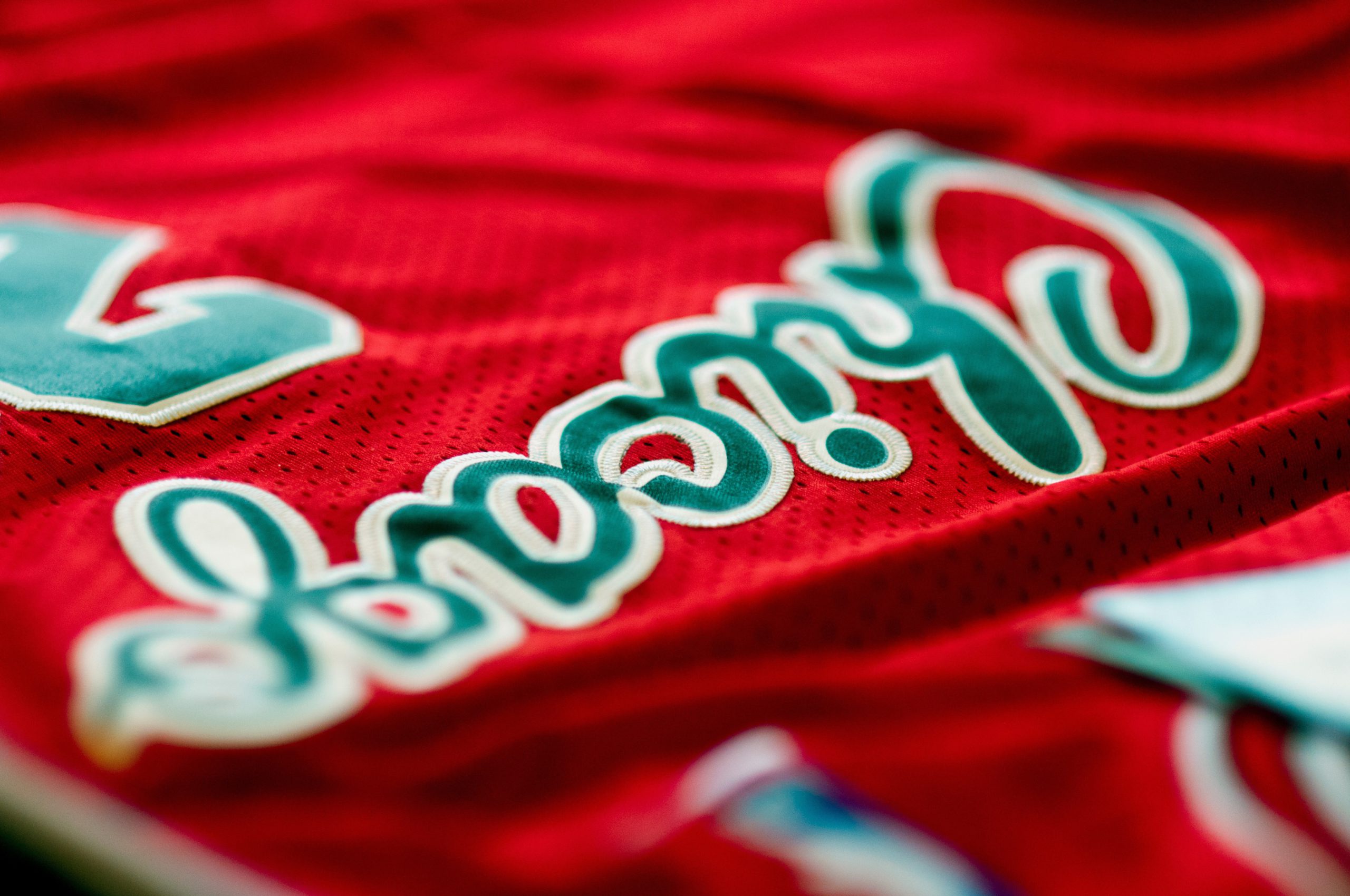
Sportswear manufacturers are increasingly turning to digital production systems, automated workflows and advanced fabrics as teams demand faster turnaround and greater customisation. Across professional, community and school sport, basketball jerseys are becoming part of a broader shift towards technology-led apparel manufacturing, where designs can move from digital artwork to finished garments with fewer manual production stages.
At the same time, software is changing how clubs develop uniforms before an order reaches the factory. A modern basketball jersey design can now be created through browser-based tools, three-dimensional mock-ups and automated artwork systems that allow colours, logos, player numbers and sponsor placements to be previewed before manufacturing begins.
Digital Workflows Reduce Production Time
Custom sportswear has traditionally involved multiple rounds of artwork, physical samples and manual approvals. Manufacturers are increasingly replacing those processes with digital proofing systems that allow clubs and designers to review garment layouts online.
These platforms can automatically position numbers, names and logos according to predefined templates. Some systems also flag artwork that may be too low in resolution or positioned outside production-safe areas, reducing problems before files reach printing equipment.
For suppliers dealing with large team orders, automation can also simplify size allocation and player personalisation. Information from online order forms can flow directly into production records rather than being manually transferred between spreadsheets, artwork files and manufacturing systems.
The result is a more streamlined process that can support shorter lead times, particularly when teams need uniforms ahead of tournaments, school competitions or new seasons.
Printing Technology Expands Creative Options
Advances in digital printing have significantly changed what manufacturers can produce on performance garments. Instead of relying primarily on stitched panels or separately applied graphics, suppliers can incorporate complex patterns, gradients and detailed artwork directly into the fabric.
One technology central to this shift is dye-sublimation printing, a widely used digital process in which printed designs are transferred into polyester-based materials using heat. Because the colour becomes part of the fabric rather than sitting as a thick layer on its surface, the method is particularly suited to lightweight sporting apparel.
Digital production also means artwork can be changed without creating entirely new physical tooling for every variation. That gives clubs more flexibility when producing different uniforms for age groups, competitions or limited events.
Manufacturers can also retain approved digital files, making repeat orders easier when additional players join a squad or replacement garments are required during a season.
3D Visualisation Changes the Approval Process
Three-dimensional garment visualisation is becoming another important part of sportswear production. Instead of approving a flat drawing, customers can increasingly see how graphics are expected to appear around seams, shoulders and side panels.
Some platforms allow users to rotate digital garments in real time and switch between colour combinations before approving production. This can help identify issues that are difficult to spot on traditional two-dimensional artwork, such as sponsor marks extending across seams or patterns becoming distorted around the body.
For manufacturers, virtual sampling may also reduce the number of physical prototypes required during the early design process. Physical samples remain important for evaluating fit, fabric and manufacturing quality, but digital tools can eliminate unnecessary iterations before that stage.
Artificial Intelligence Enters Sportswear Design
Artificial intelligence is beginning to appear in apparel design software as companies look for faster ways to generate concepts and variations. AI-assisted tools can propose colour combinations, identify visual patterns and produce alternative layouts based on basic design instructions.
The technology is more likely to support designers than replace them. Team apparel must still account for branding standards, sponsor requirements, competition regulations and practical manufacturing limitations.
However, automated concept generation could speed up the earliest stages of production by giving designers multiple directions to refine rather than requiring each option to be developed manually.
Computer vision may also play a role in quality assurance. Manufacturers can potentially use image-recognition systems to identify printing defects, incorrect numbers or inconsistencies between finished garments and approved artwork.
On-Demand Manufacturing Gains Ground
Digital systems are also making smaller production runs more practical. Traditional manufacturing often favours larger volumes because setup costs are spread across more garments. Digital printing and automated personalisation can reduce some of those barriers.
That creates opportunities for clubs needing small replacement orders or organisations managing numerous teams with different identities. Production data can be retained digitally, allowing suppliers to reproduce an existing uniform without recreating the entire setup.
On-demand manufacturing can also help reduce excess inventory. Instead of producing large quantities based on estimated demand, suppliers can manufacture closer to confirmed order volumes.
Materials Become Part of the Technology Shift
Innovation is not limited to software and printing. Performance textiles are continuing to evolve as manufacturers focus on lower garment weight, moisture management, ventilation and durability.
Recycled polyester is also being incorporated into more sporting products as suppliers respond to demand for lower-impact materials. The challenge is maintaining performance standards while introducing alternative fibres and manufacturing processes.
For the sportswear sector, the next stage of development is likely to come from tighter integration between digital design, automated ordering, advanced printing and materials technology. The companies able to connect those systems effectively will be positioned to offer faster customisation while maintaining consistency across increasingly complex team orders.


